


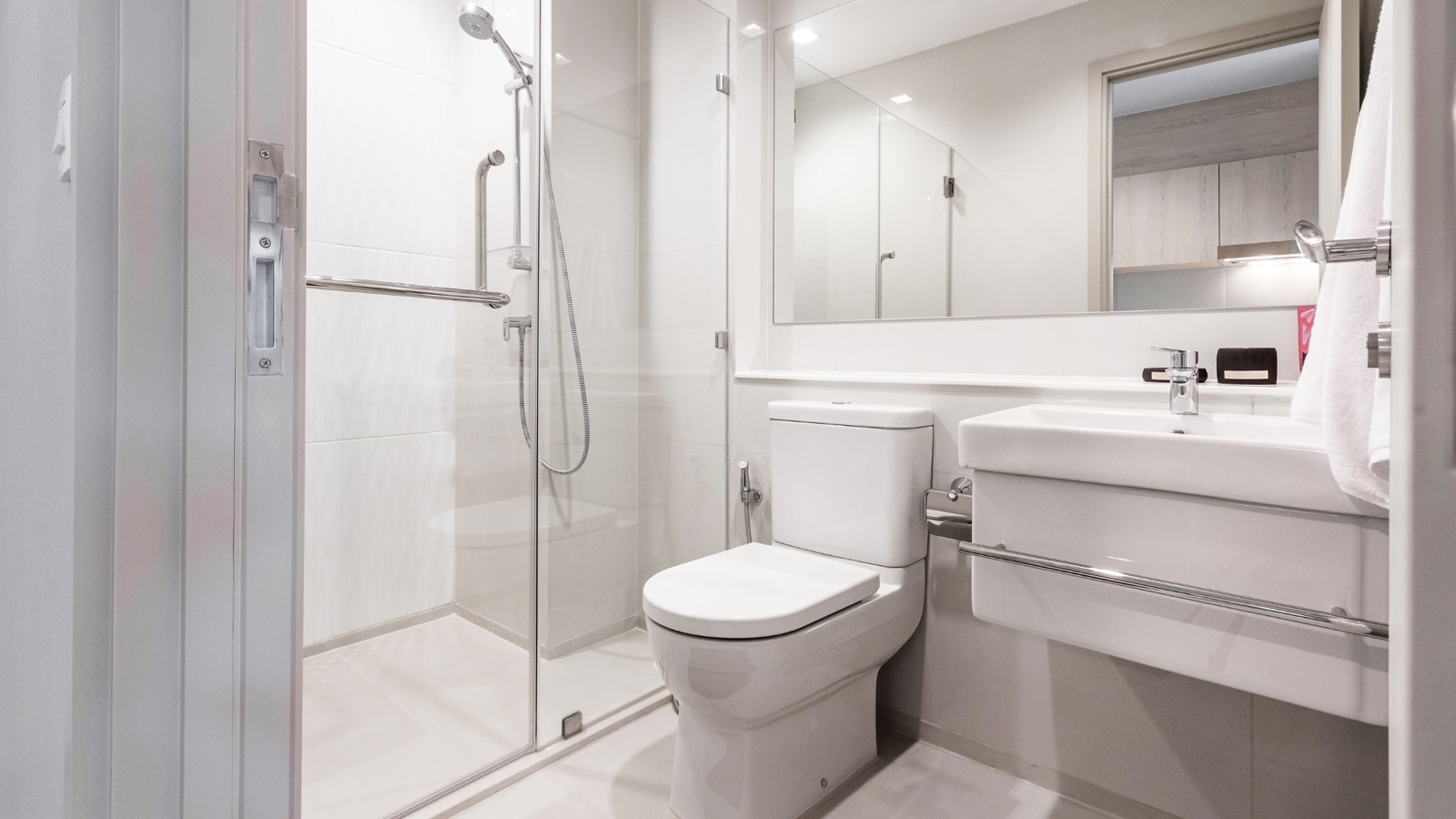
The Room Where Mistakes Show Up Late
A bad paint job shows up the day it's finished. Bad waterproofing does not — it shows up two years later, as a stain on the ceiling below or rot in the wall framing nobody has looked at since the tiles went up.
That is why bathrooms carry the strictest compliance requirements of any room in the house. The builder matters more here than almost anywhere else, because the work that matters most is the work you will never actually see.
What a Bathroom Renovation Typically Includes
Demolition & Strip-Out
Removing existing fixtures, tiling, and waterproofing membrane back to a clean substrate.
Waterproofing
A membrane system applied to floors, walls, and junctions — compliant with NZ Building Code E3/AS1.
Plumbing
Waste relocation, hot and cold supply, and mixer installation, tied into the new layout.
Electrical
Lighting, heated towel rail, and ventilation fan wiring, signed off before walls close up.
Tiling
Floor and wall tiling, fitted once waterproofing has cured and been checked.
Fixtures & Fittings
Toilet, vanity, shower, and bath, installed once tiling is complete.
Ventilation
Extraction to manage moisture and prevent long-term damage to walls and framing.
Finishing
Painting, silicone sealing, and final fit-off.
Parts of a bathroom renovation may require licensed or otherwise authorised practitioners. Confirm the requirements for your scope before work begins.

Why Compliance Matters for Bathrooms
Bathroom renovations can involve regulated building, plumbing, drainlaying and electrical work:
Waterproofing Standards
Internal wet-area systems must satisfy the relevant New Zealand Building Code requirements for the project and chosen system.
Licensed Plumbing
Plumbing and drainage work must be done by a licensed plumber or certifying drainlayer.
LBP for Structural Work
Consented residential work affecting primary structure may be restricted building work and require the appropriate Licensed Building Practitioners.
Consent Where Required
Building consent may apply depending on scope. Check with the council and relevant authorised practitioners before work begins.
Confirm the required licences, registrations, insurance and consent requirements for your exact scope before engaging a builder.
Frequently Asked Questions
Straight answers to the questions we hear most from homeowners planning a bathroom renovation.
It depends on the scope. Structural work and adding a new sanitary fixture generally require consent, while some repair, replacement and alterations to existing sanitary plumbing may be exempt when completed by an authorised person. Check the proposal with your council and the relevant licensed practitioners before work begins.
A standard bathroom renovation takes 3 to 6 weeks. Larger bathrooms, structural changes, or consent requirements can extend this. Most delays come from tile supply and fixture lead times, so planning ahead helps.
Costs vary widely by size, layout changes, and material choices, so we don't publish fixed figures here. A project-specific price requires a builder to review the final scope.
Waterproofing is a membrane system applied to relevant floors, walls and junctions before tiling. It helps prevent water entering the building fabric. The specified system and installation must meet the Building Code requirements that apply to the project.
There is no charge to submit a RenoQuotes project request, and submitting does not obligate you to engage a builder.
Request Bathroom Renovation Quotes
Describe your bathroom project below and we'll review the brief against suitable builder availability in your region.
Here's exactly what you get:
- A review of your renovation type, budget and location
- A check for suitable builder availability in your region
- A clear next step after the project details are reviewed
- No obligation to proceed with a builder introduction